


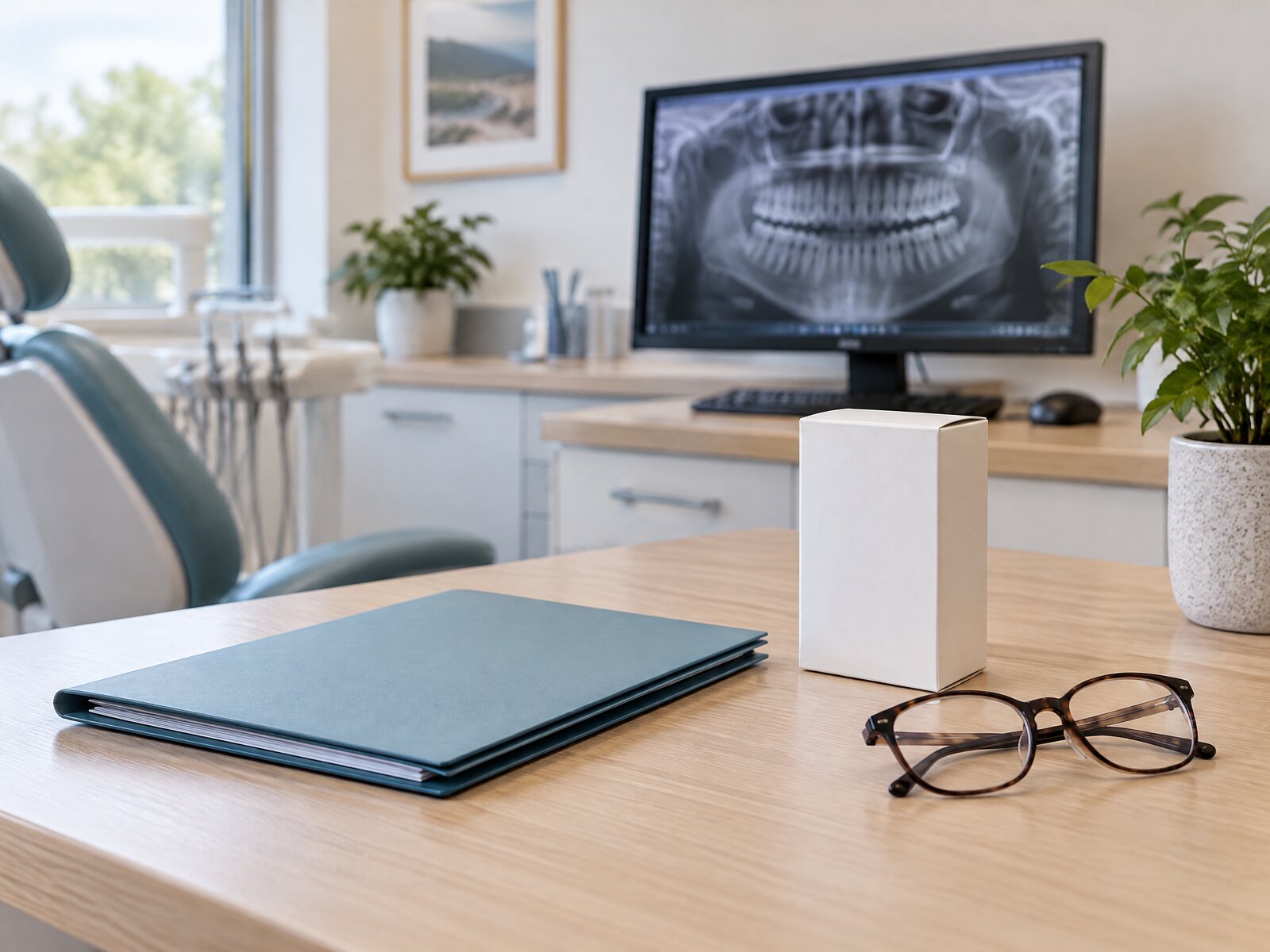
If you take osteoporosis medicine and need dental care in Kalamunda, Hills Family Dental Centre can assess the tooth and discuss the information needed for an individual treatment plan.
If you take medicine for osteoporosis, the prospect of having a tooth removed can be unsettling. You may have heard about jaw-healing problems, then been told that stopping your medicine can cause problems too. Your dentist and prescribing clinician need to plan the dental treatment together.
Short answer: Taking osteoporosis medicine doesn’t automatically rule out having a tooth removed. Australia’s March 2026 consensus calls for individual assessment and discussion with the prescribing clinician before any medicine change. Hills Family Dental Centre’s extraction service describes a medical-history discussion, examination and X-rays as part of assessing the tooth.
Does osteoporosis medicine mean I cannot have a tooth removed?
It does not automatically rule out extraction, but your dentist needs to assess your individual risks before deciding on treatment. The Healthy Bones Australia consensus statement, published March 2026, separates patient factors from procedure factors and recommends an individual plan.
The statement was developed by an Australian interdisciplinary working party and endorsed by bodies including the Australian Dental Association. It describes a jaw complication as uncommon in people taking osteoporosis doses of certain bone medicines, while recognising that some patients need specialist care. ‘Uncommon’ is not the same as ‘impossible’, and it is not a personal clearance for an extraction.
Our tooth extraction service in Kalamunda describes the general treatment pathway. If your concern involves a wisdom tooth, tell reception when booking and see our wisdom teeth removal information. The medicine discussion belongs before a treatment date is settled.
What is the jaw-healing problem people are talking about?
Medication-related osteonecrosis of the jaw, often shortened to MRONJ, is a jaw-bone complication associated with certain medicines. The March 2026 Australian consensus explains that it can occur after invasive dental procedures, including extraction, and sometimes without a preceding dental operation.
The concern needs context. The statement says risk depends on factors including the medicine’s dose and duration, your oral health and the procedure. The purpose and dose of a medicine matter, too. A risk figure from a different treatment group should not be treated as the risk for everyone taking an osteoporosis medicine.
| What the dental team needs to consider | Why it changes the discussion |
|---|---|
| Your treatment history | The consensus considers the type, dose and duration of treatment, including previous bone medicines. Bring the history you have, not just the name of your most recent prescription. |
| Your health and mouth | The statement identifies factors such as active dental infection, poor oral health, smoking and poorly controlled diabetes. Tell the dentist about your health as well as the sore tooth. |
| The proposed procedure | The extent and location of surgery contribute to the assessment. A general online risk label cannot replace examining the tooth and planning the procedure. |
This table explains the categories in the 2026 consensus, particularly pages 3–4. It does not assign you to a risk group.
Should I pause my osteoporosis medicine before dental treatment?
Do not pause or delay it on your own. The prescribing clinician and dentist need to discuss your situation and agree on any changes.
“Osteoporosis therapies should not be discontinued without a discussion with the prescribing healthcare provider.”
— Healthy Bones Australia, Medication-related Osteonecrosis of the Jaw and Osteoporosis (March 2026), Practice tips for counselling patients on MRONJ and risk precautions
The consensus says there is no evidence that treatment breaks reduce MRONJ risk. It also warns that abruptly stopping certain osteoporosis medicines can lead to a rebound in bone turnover and spinal fractures. That is why ‘stop it just in case’ is not a suitable plan to make yourself.
The statement discusses procedure timing for clinicians but notes limits in the evidence. Ask your treating team to reconcile the dental appointment with your treatment schedule. Do not use a date from an online article to move an injection or other dose.
A script if your advice seems to conflict
You can say: ‘My dentist and prescribing clinician seem to be giving different advice about the timing. Could you confirm the plan together, including what I should do if the appointment changes?’
- Which medicine and previous treatment history have you based the advice on?
- Who will speak with my prescribing clinician before treatment?
- Do I need any change to my medicine schedule, or should I keep following the current prescription?
- If a change is prescribed, can I have the exact instructions and the contact person in writing?
- What happens if the dental procedure is postponed or the wound needs further review?
What should I bring to the assessment?
Bring a current medicine list and any details you have about earlier osteoporosis treatment. The Australian Dental Association’s medical-history guidance specifically includes previous medicines and injected medicines, not only tablets.
Prepare these details before you come
- Your current medicines, with the label directions or medicine list from your doctor or pharmacist.
- Previous osteoporosis medicines and the approximate dates, if known.
- The date of your last injection and the next scheduled appointment, if your medicine is injected. These details are for the treating team to assess.
- Your prescribing clinician’s contact details and any dental instructions already provided.
- Other medical conditions, allergies, non-prescription products, supplements and recent changes in your health.
If you cannot remember a medicine or date, say so and ask your prescriber or pharmacist for the record. You do not need to turn your health history into a treatment plan yourself.
What do the Australian sources each contribute?
The osteoporosis consensus and the dental-history guidance answer different questions. Both were checked on 2 November 2026.
| Australian body | How its guidance helps |
|---|---|
| Healthy Bones Australia and the endorsing professional bodies | The March 2026 consensus explains medicine-related jaw risk, individual assessment, coordination and referral for higher-risk cases. It is guidance for healthcare professionals, not a patient self-assessment tool. |
| Australian Dental Association | Its medical-history resource explains what your dentist needs to know and why some medicines or supplements matter for treatment and healing. It does not set the timing of your osteoporosis doses. |
Could the tooth be treated without extraction?
Ask whether retaining the tooth is appropriate after the dentist examines it. Osteoporosis medicine does not, by itself, establish either that a tooth must be removed or that keeping it is suitable.
Our article on how dental crowns and root canals work describes treatments used for some damaged teeth. Those are options to discuss, not substitutes that suit every tooth. The examination needs to establish what is possible for yours.
The 2026 consensus says that osteoporosis treatment should not unduly delay necessary dental intervention. Ask about the benefits and risks of each clinically appropriate option, including what could happen if treatment is deferred. Do not assume that waiting avoids all risk.
What happens at a Hills Family Dental Centre assessment?
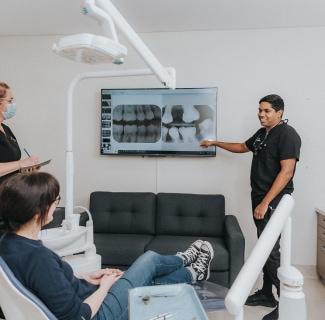
Our published extraction process begins with your medical and dental history, an oral examination and X-rays. These steps help the dentist assess the tooth and the proposed treatment.
- Discuss your medical and dental history, including osteoporosis treatment and other medicines.
- Have the tooth and surrounding area examined.
- Discuss X-rays to assess the tooth’s anatomy and position.
- Ask what the findings mean for treatment, coordination with your prescriber and whether referral is appropriate.
If an extraction goes ahead, our service page describes care of the socket and aftercare instructions. Ask what follow-up your own plan requires and who to contact if you have concerns. The Australian consensus discusses referral when needed; it does not establish a standard healing date for every patient.
Questions before you leave
- What symptoms should prompt me to contact you, and how soon?
- Who do I call if a concern develops outside opening hours?
- When do you want to review the extraction site?
- Does the prescribing clinician need an update before my next treatment?
Who pays, and what should the estimate include?
Ask for an itemised estimate after assessment, including the proposed examination, images, treatment and follow-up. The item numbers depend on the care planned for you; this article does not assign an extraction code or promise a rebate.
Healthdirect’s dental-cost guidance, reviewed October 2023, says most dental care is not covered by Medicare. Extras cover, contributions and annual limits vary between private health policies. Give your fund the practice’s proposed item numbers and ask about your own out-of-pocket cost.
Having osteoporosis treatment covered through another part of the health system does not establish dental cover. Ask about the cost of a separate referral as well if one is recommended.
How do I arrange a visit in Kalamunda?
Hills Family Dental Centre is at 11 Railway Road, Kalamunda WA 6076. Our published contact hours include Wednesday from 9 am to 7 pm. Ask reception about available appointments and explain the medicine concern when you book.
Use our Hills Family Dental Centre contact details or call (08) 9293 1300. You can say: ‘I take osteoporosis medicine and may need a tooth removed. What medicine records should I bring, and will the dentist need to speak with my prescribing clinician?’
Sources
Sources checked on 2 November 2026. This article explains general published guidance, not advice about your own medicines or dental treatment.
- Healthy Bones Australia: Consensus Statement: Medication-related Osteonecrosis of the Jaw and Osteoporosis, first edition March 2026, particularly pages 2–6.
- Australian Dental Association: Why do I have to tell my medical history to my dentist?, no publication date displayed.
- Healthdirect: Cost of dental care, reviewed October 2023.
- Hills Family Dental Centre: the extraction service, wisdom teeth service, crowns and root canals article, and contact page linked above.


